
Long‑Term Tree and Shrub Care Backed by Certified Arborist Services
Our certified arborist services at Vande Hey Company help protect, preserve, and enhance the health of your trees and shrubs—before small concerns turn into costly problems.
Emergency Storm Damage Tree Service
Storm‑damaged trees can become dangerous fast.
If something doesn’t feel safe, don’t wait—get professional help right away.

Enhance the Health of Your Property’s Natural Ecosystem
It usually starts small. Color changes. Oozing sap. Mushrooms popping up near trees. You’re not sure if it’s seasonal or something more serious.
Plant Health Care (PHC) is a holistic approach to caring for your trees and shrubs with the goal of improving and maintaining the overall health and aesthetics of your landscape. A PHC program uses different strategies including cultural, biological, and traditional insect and disease control methods.
Arborist Services That Prevent Tree and Shrub Problems
Smart planning, continued observation and use of skilled resources help to protect your property’s health.
Pest Management
Our trained arborists and landscape professionals are able to identify and manage a wide variety of pests that may be harming your plants. We can mitigate pest damage on the smallest azaleas up to the largest oaks trees.
Disease Management
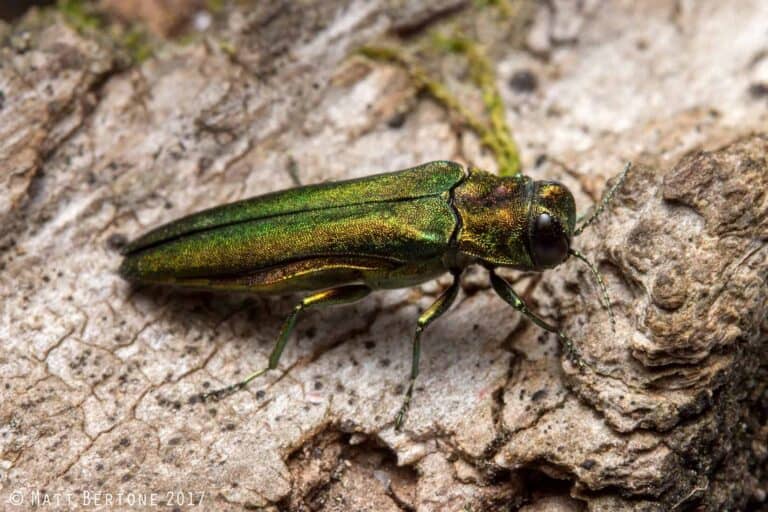
Plant diseases are part of any natural ecosystem. We identify and treat issues that are common in Wisconsin, including emerald ash borer. Whether it’s bacteria or fungi, leaf spot or root rot, our plant health experts are trained in the best methods to cure your plants.
Choose Vande Hey Company for Arborist Services in Fox Valley, WI

Tree and Shrub Health Evaluations
If something looks off, we take a closer look. We investigate whether the tree is under stress, dealing with disease, or reacting to soil and moisture conditions and offer our recommendation, free-of-charge.

Tree Fertilization
Fox Valley soil conditions can limit growth, but proactive fertilization strengthens roots, supports recovery from stress, and helps prevent issues—so you can enjoy your outdoor space for years to come.
Built for Wisconsin Zones and Conditions
Tree and plant health care in the Fox Valley is shaped by local conditions. Long winters, wet springs, and humid summers all affect how trees and plants grow and respond to stress. These conditions also contribute to the spread of certain diseases and pests. We work with these patterns every season, which helps our arborists and landscape experts recognize issues earlier and recommend treatments that make sense for this area.
We get these (and more) questions about plant health care all the time…
This is often a sign of stress. In Wisconsin, it can be related to soil conditions, too much or too little moisture, or early stages of disease. If it is happening across the whole tree or earlier than usual, it is worth having an expert take a closer look.
In many cases, yes. It depends on how advanced the issue is and what is causing it. Trees affected early by insects or disease often have more treatment options than those that have been declining for several seasons.
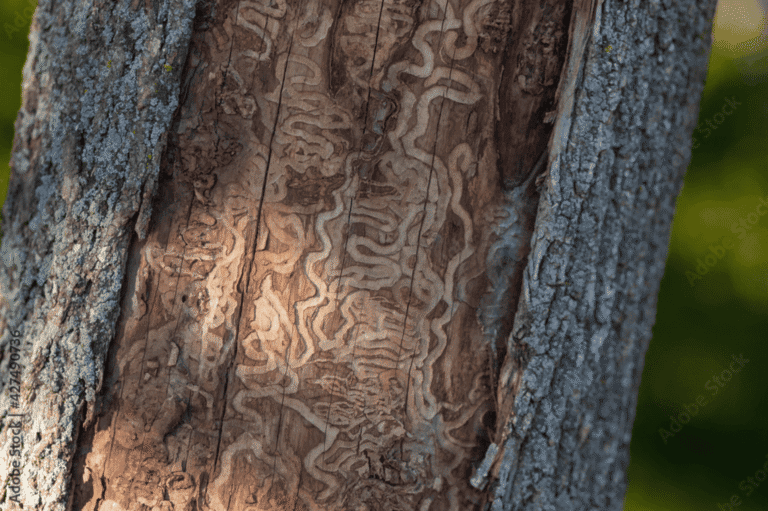
Yes. Emerald ash borer is still active across the Fox Valley and continues to kill untreated ash trees. Signs include thinning at the top of the tree, small D-shaped holes in the bark, and increased woodpecker activity. If caught early, some ash trees can be treated and preserved.
What does oak wilt look like?
Oak wilt can cause leaves to wilt, brown, and drop quickly, often in the middle of summer. In red oaks, decline can happen within a single season. In white oaks, it may progress more slowly. Because it spreads through root systems, it can move from one tree to another if not managed early.
Are fungal diseases common in this area?
Yes. Wet springs and humid summers in Wisconsin create ideal conditions for fungal issues. These can show up as leaf spots, premature leaf drop, or thinning canopies. Some are mostly cosmetic, while others can weaken the tree over time.
If large sections of the tree are dead, the structure is compromised, or decline has been happening for multiple seasons, treatment options may be limited. A certified arborist can help determine whether it makes sense to try to preserve the tree or plan for removal.
Do I need a certified arborist to look at my tree?
If you are unsure what is happening with your tree, a certified arborist can identify the cause and recommend the right next step. This helps you avoid unnecessary work and make a more informed decision.
In some cases, yes. Preventative plant health care can make sense for high-value trees or species that are more vulnerable to local pests and diseases, like ash or oak. It depends on the condition of the tree and the risk factors on your property.
Get clear answers while the tree can still be saved
If something looks off, it is worth taking a closer look now instead of waiting to see what happens. Schedule a plant health evaluation with a Vande Hey certified arborist and get answers so you can take action!