
 Landscape Management
Lawn Care
Tips
Landscape Management
Lawn Care
Tips
Early Spring Yard Care Guide
By Kelly Smith | April 22, 2026
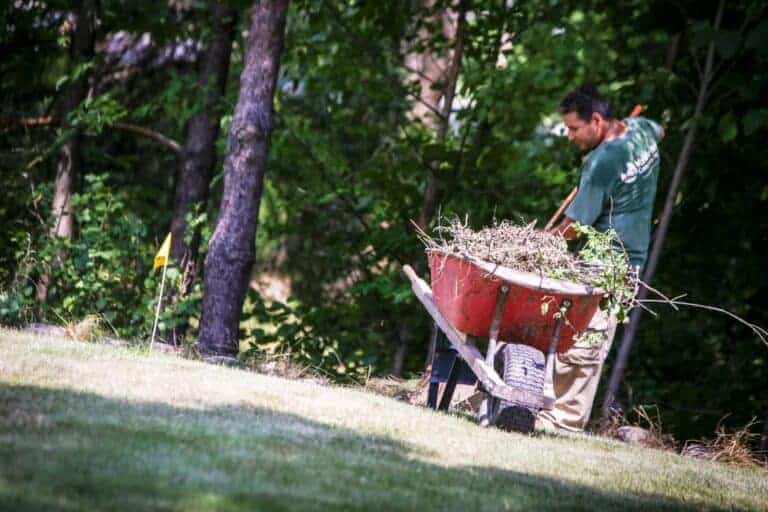
Start with a Spring Landscape Assessment
Before jumping into spring yard care, take a walk around your property and evaluate how your landscape handled winter. You may notice:
As winter fades and your landscape begins to wake up, April is the perfect time to set the foundation for a successful growing season. From assessing winter damage to preparing your lawn and plants for new growth, taking the right steps now can make all the difference. Here’s your complete guide to early spring yard care—what to look for, what to do, and how to get ahead this season.
- Evergreens with discolored or dried out foliage (common in boxwoods and yews due to winter burn)
- Dieback in shrubs and perennials from root exposure and freezing temperatures
- Rabbit or rodent damage on deciduous shrubs, especially stripped bark
- Lawn damage from pets or snow cover
Winter conditions can be tough on plants, especially when there’s limited snow cover to insulate roots. Some plants may recover with new growth, while others may need replacement. If something looks questionable, document it early and monitor progress through late spring before making final decisions. Some plant material can wake up slowly, taking until mid-June to fully bud out and start filling in.
How Rainy Days & Cool Nights Impact Your Landscape
Early spring’s mix of rain and cooler temperatures influences how landscapes wake up—and not always in obvious ways. Things to consider when planning your spring yard care:
Pollinator Activity Is Slower
Cool, damp weather slows pollinator movement, which can impact early blooms. The upside? Flower development is also delayed, so plants aren’t getting too far ahead of the season.
Lingering Effects from Winter Cold Snaps
Cold snaps, especially without consistent snow cover, can lead to:
- Dieback in Shrubs
- Loss of flower and leaf buds
- Stress on marginally hardy (Zone 5) plants
Be prepared for some corrective spring pruning as plants begin to leaf out.
Increased Risk of Root Rot and Fungal Diseases
Too much rain can lead to saturated soil, which limits oxygen to roots. Plants that normally like well-drained soil won’t thrive when they’re waterlogged. This can result in root and collar rot, as well as poor performance, even in well-established plants. What you can do:
- Lightly fluff bark mulch to improve airflow and drying
- Avoid planting until soil dries out
- Monitor vulnerable plants closely
Wet, cool conditions also create the perfect environment for diseases like apple scab, leaf spot fungi, and bark issues. Preventative treatments, like early-season fungicide applications or soil drenches, can be more effective than trying to treat issues later. To learn more about landscaping during more heavily saturated seasons, read our blog “Handling A Wetter Than Normal Summer” here.
Slower-Than-Expected Growth
Early spring in Wisconsin can be unpredictable. Warmups can lead back into cool stretches, delaying plant growth and causing perennials, shrubs, and trees to take longer to leaf out.
April Lawn Care Tips
Lightly Rake (When Conditions Are Right)
Light raking helps remove debris and matted grass, but only when the lawn is dry. Raking wet turf can damage roots and pull up healthy grass.
Hold Off on Mowing
Wait until your grass reaches at least 2 inches tall before the first mow. This allows roots to strengthen and supports healthy top growth. When you do start mowing, make sure your mower blades are sharp to avoid tearing. As the season warms up, raise your mowing height to 3.5″ to help your lawn retain moisture and resist the stress of summer heat.
Plan for Fertilization
Early spring fertilization helps jumpstart growth. For best results, apply fertilizer before a rainfall, or water it in after application. Also, consider incorporating products that include weed control for efficiency.
Seeding and Lawn Repair
If your lawn has winter damage or you’re planning to overseed, proper preparation and incorporating best practices are keys to success.
- Use coated grass seed for higher germination rates and better overall coverage (up to 80%)
- Loosen and level soil before seeding
- Lightly compact soil after seeding for better contact
- Water consistently – keep soil moist but not saturated
- Timing matters – if you’re treating pet-damaged areas, wait until after your first fertilization round before reseeding
Your lawn is just starting to come out of dormancy—handle it with care. For more details on spring lawn care, read our blog “Spring Lawn Care Tips” here.
Managing Weeds Before They Take Over
Spring is prime time for weed prevention—and timing matters.
Dandelion Control
Dandelions can quickly take over a lawn. The most effective treatment is a liquid broadleaf herbicide, which provides better coverage and allows the active ingredients to soak in and do their job more thoroughly.
Prevent Crabgrass Early
Crabgrass hasn’t appeared yet, but spreads fast once it sprouts. To stay ahead of controlling it:
- Apply a pre-emergent herbicide in late April/early May
- Look for soil temperature cues – apply just as soil temperatures hit the right mark for germination
- Use a combination fertilizer + hebicide, which take care of weed prevention and early-season feeding in one easy step
Plant Care: Trees, Shrubs, & Perennials
Early Spring Pruning Tips
- Finish pruning most trees, evergreens, and shrubs by the end of April, unless you are noticing winter/storm damage or dead branching
- Avoid pruning oak, maple, birch, elm, and walnut trees to prevent disease and sap loss
Watch for Winter Damage
Shrubs and perennials may show delayed signs of stress. Give plants time to leaf out before determining if they need replacement.
Water New Plantings
If you planted trees, shrubs, or perennials last fall, provide consistent watering this spring to support root establishment early in the season.
Planning for a Healthy Lawn and Landscape
Taking action now ensures your yard looks its best all season long. Whether you need help diagnosing plant issues, planning lawn treatments, or refreshing your landscape, expert guidance for your spring yard care can make all the difference. Please keep in mind that it’s still early and, while some damage from winter may resolve naturally, other areas may need attention as the season progresses. Vande Hey Company’s warranty plant assessments typically begin in mid-June, once full leaf-out has occurred, but we encourage you to reach out with questions or photos if you have concerns about your landscape before then. Whether you need help diagnosing plant issues, planning lawn treatments, or refreshing your landscape, expert guidance can make all the difference. Need help getting started? Reach out to our team – we’re here to help you enjoy a thriving landscape!
Vande Hey Company, Inc. 920.788.6344 info@vandeheys.com N2093 County Road N Appleton, WI 54913
You may also enjoy
 Garden
Landscaping Management:101 March
By Vande Hey | March 16, 2020
Garden
Landscaping Management:101 April
By Vande Hey | March 31, 2020
 Garden
Big Trees and Big Statements: The Benefits of Trees
By Vande Hey | April 21, 2020